










 Keep reading
October 4, 2026
Byron Bay vs Spot X: Which Aussie Surf Camp Is Right for You?
Byron Bay or Spot X at Arrawarra? An honest side-by-side comparison of the waves, crowds, seasons, travel and atmosphere at our two…
Read more →

Destinations
Surf Experiences
Surf ACADEMY
TALK TO US
Investing in a quality travel bag is crucial for protecting your surfboard during transit. There are two main types of bags to consider: soft bags and hard cases. Soft bags are lightweight and provide basic protection, suitable for shorter trips and budget-conscious travelers. On the other hand, hard cases offer superior protection and are ideal for long-haul journeys or when flying with multiple connecting flights. Whichever type you choose, ensure it has ample padding, durable materials, and secure fastenings.

Before packing your surfboard, thoroughly inspect it for any dings or cracks. Repair any damages to prevent them from worsening during transit. Clean the board and remove any wax to avoid melting or damage. Apply a board protection film or bubble wrap to provide an extra layer of protection. Additionally, consider using a board sock or a lightweight board bag for added protection against scratches.
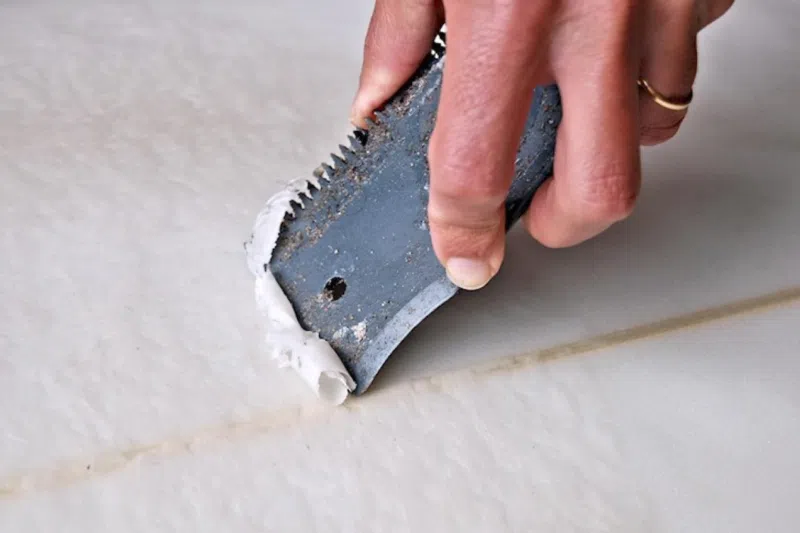
Each airline has specific guidelines and policies regarding surfboard transportation. Check your airline’s website or contact them directly to understand their rules regarding board size, weight restrictions, additional fees, and packaging requirements. It’s important to be aware of any restrictions or limitations beforehand to avoid last-minute surprises and potential extra charges.
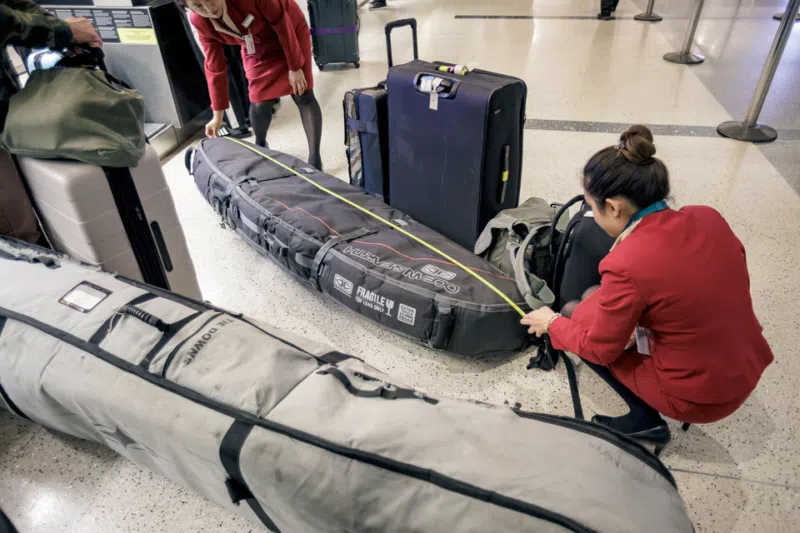
When packing your surfboard, ensure it is properly secured inside the bag or case. Place it in the center, away from the edges, and add padding around it to prevent movement during transit. Utilize towels, clothes, or bubble wrap to fill any gaps and provide cushioning. Remember to pack any removable fins separately, and consider using fin protectors or a padded fin wallet to prevent damage.
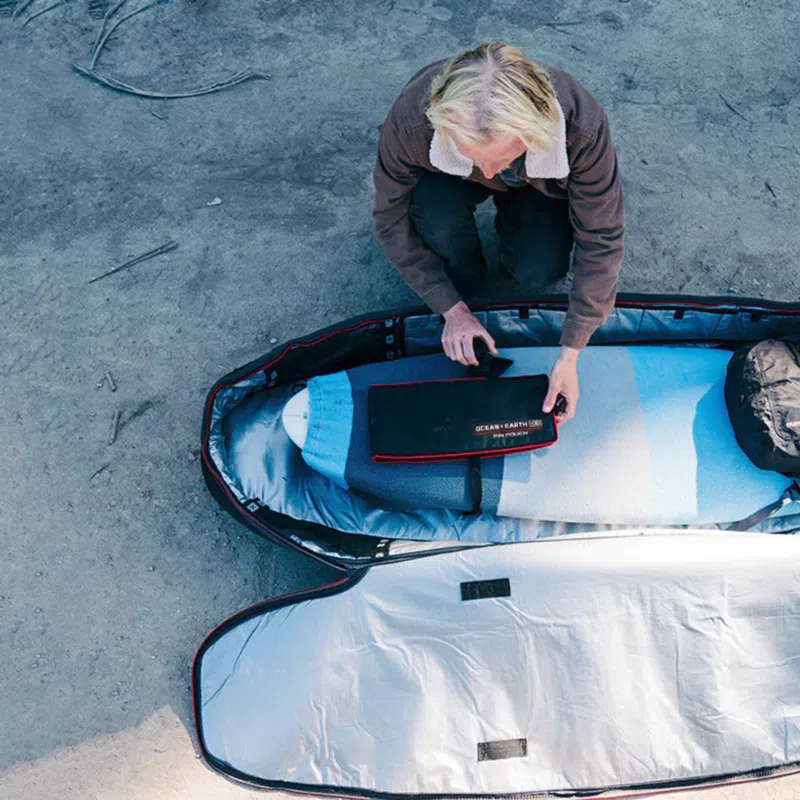
If you’re traveling to a popular surf destination and your trip is short, it might be worth considering renting a surfboard. This eliminates the hassle of transporting your own board, and you can choose from a variety of boards suited to the local conditions. Another option is to ship your board to your destination in advance, especially for longer trips or if you’re traveling internationally. Shipping your surfboard can be cost-effective and reduces the stress of carrying it through airports.

On the day of your flight, arrive at the airport early to allow ample time for check-in and potential complications. Clearly communicate with airline staff that you’re traveling with a surfboard and inquire about any specific procedures or instructions they may have. Being proactive and cooperative will help ensure a smoother experience.
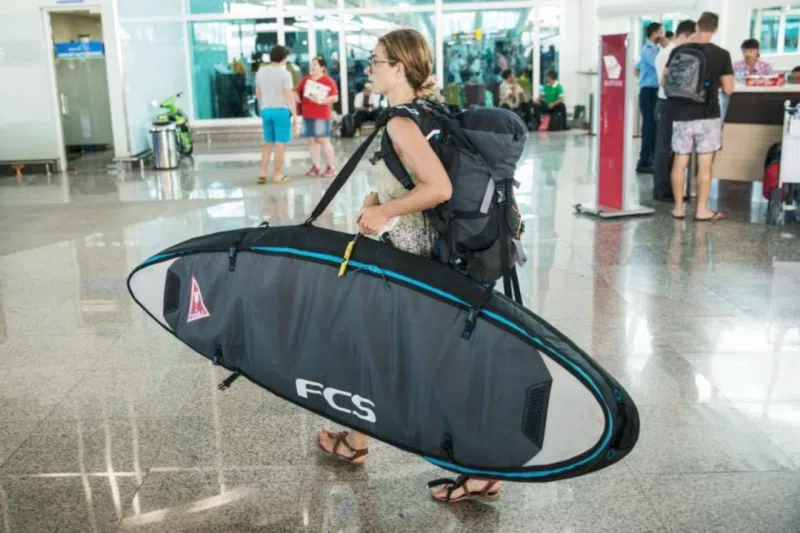
Travelling with a surfboard can be an enriching experience, providing you with the opportunity to explore new surf breaks and enjoy the waves you love. By following these essential tips, you can ensure your surfboard arrives safely at your destination, allowing you to focus on the excitement of catching waves and creating unforgettable memories. So, pack your board with care, know the rules, and embark on your next surf adventure with confidence!
Planning a trip with your board in tow? Our guide to island hopping from Bali covers getting between the islands, or browse all our Mojosurf surf camps where boards are included if you’d rather travel light.
October 4, 2026
Byron Bay or Spot X at Arrawarra? An honest side-by-side comparison of the waves, crowds, seasons, travel and atmosphere at our two…
Read more →October 4, 2026
How to island hop from Bali as a surfer: what Canggu, Red Island in Java, Nusa Lembongan and Lombok are each like,…
Read more →October 4, 2026
Ericeira or Peniche? An honest side-by-side comparison of Portugal's two best-known surf towns: waves by level, seasons, travel from Lisbon and atmosphere,…
Read more →

Leave a Reply